10 Steps to Getting Properly Featured on Google Business Profile and Google Maps in 2026
Most businesses think they have a Google listing problem.
They don’t.
They have a visibility and control problem.
By the time brands come to me, they usually have a Google Business Profile. They show up sometimes. They get occasional calls. But they’re not consistently featured, prioritized, or surfaced in Maps results the way they should be.
In 2026, Google Business Profile and Google Maps are no longer “set it and forget it” tools. They are active marketing systems that reward clarity, consistency, and real-world behavior.
Here’s how I properly feature brands on Google Business Profile and Google Maps — and why most listings fail to perform.
1. Treat Google Business Profile as a Product, Not a Directory Listing
The biggest mistake brands make is treating their Google listing like a phone book entry.
In reality, Google Business Profile functions more like a product page:
It needs clear positioning
It needs up-to-date information
It needs activity signals
If the listing doesn’t clearly communicate what the business does, who it serves, and why it’s relevant now, Google deprioritizes it.
Visibility starts with clarity.
2. Lock Down Ownership and Access Immediately
Before I optimize anything, I verify:
Who owns the listing
Who has admin access
Whether access is tied to an individual or the business
Listings lose traction when:
Former employees still control access
Agencies disappear
Accounts are tied to personal emails
Ownership issues quietly kill performance and delay fixes when something breaks.
This is always step one.
3. Optimize for How People Search in 2026 — Not How Businesses Describe Themselves
In 2026, search behavior is conversational, local, and intent-driven.
I optimize listings based on:
How customers describe the problem
What they search right before they need the service
Location-specific intent, not generic keywords
This means business descriptions are written for humans and context, not keyword stuffing.
If it sounds like marketing copy, it usually underperforms.
4. Align Categories With Revenue, Not Ego
Categories determine when and where a business appears in Maps.
One of the most common issues I see is brands choosing categories based on:
What they want to be known for
What sounds impressive
What competitors use without context
I choose categories based on:
What actually generates revenue
What customers search when ready to act
What Google already associates with the listing
This single change often improves visibility within weeks.
5. Use Photos and Video as Proof, Not Decoration
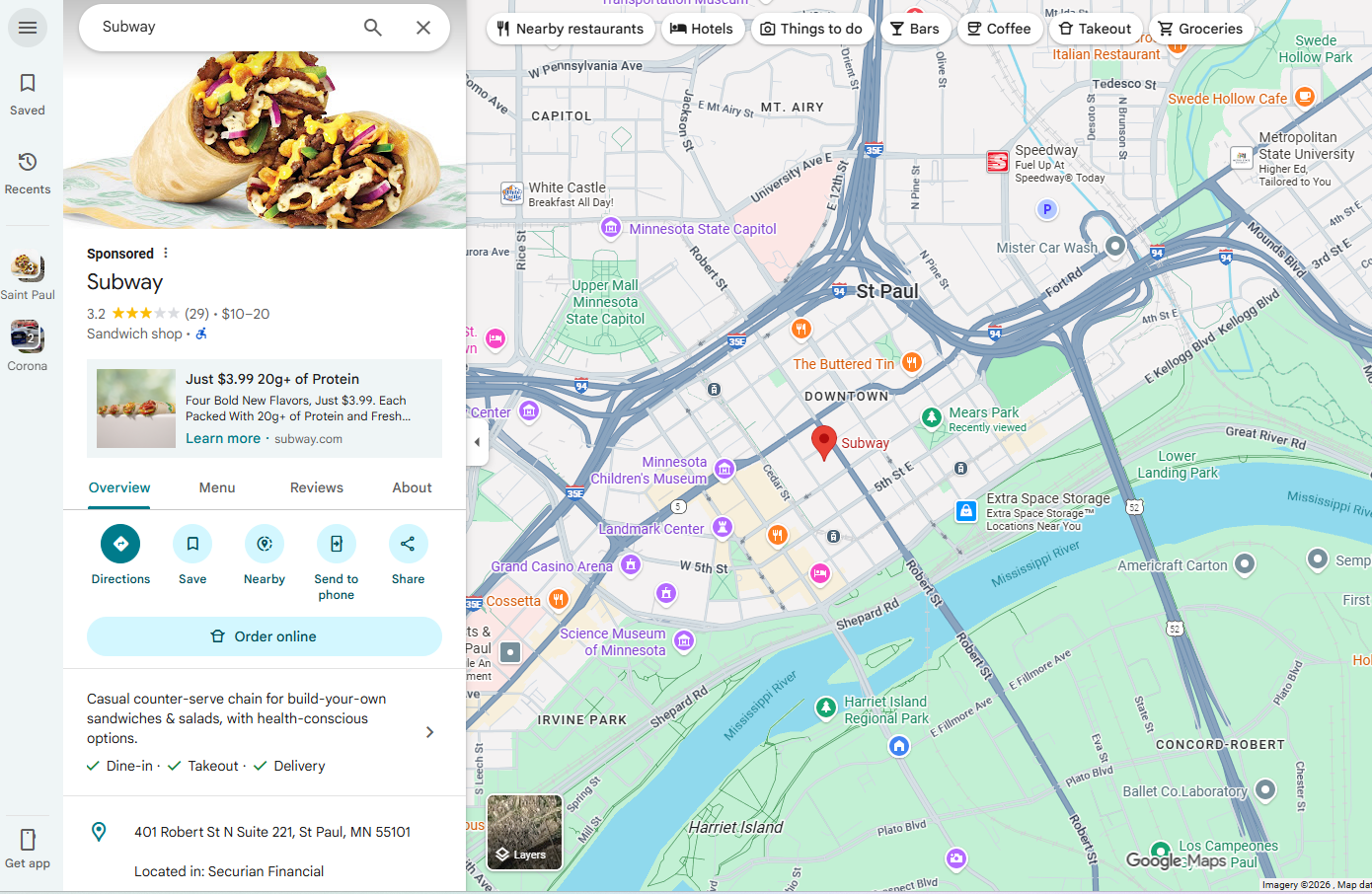
Google prioritizes listings that demonstrate real-world presence.
That means:
Actual location photos
Team photos
Work-in-progress visuals
Real environments
Stock images and overly polished graphics signal low trust.
I treat media uploads as verification, not branding.
Google rewards what feels real.
6. Post Regularly — But Only With Purpose
Google Business Profile posts still matter in 2026, but not in the way most brands use them.
I post to:
Reinforce relevance
Signal activity
Highlight current offers, updates, or changes
Not to fill space.
Dormant listings slide.
Active, relevant listings surface.
7. Engineer Reviews Instead of Hoping for Them
Reviews are one of the strongest ranking signals — but randomness doesn’t scale.
I build review systems:
When and how customers are asked
What experience triggers the request
How responses are handled
I also respond to reviews strategically — not emotionally — reinforcing keywords, location context, and service clarity without sounding scripted.
Consistency beats volume.
8. Use Q&A to Pre-Sell and Reduce Friction
Most businesses ignore the Q&A section entirely.
I don’t.
I seed and manage Q&A to:
Answer objections
Clarify services
Reduce hesitation
Control misinformation
This section quietly influences conversion decisions and keeps people from bouncing to competitors.
9. Align Google Business Profile With Operations
Google surfaces businesses that are ready to receive traffic.
Before pushing visibility, I confirm:
Hours are accurate
Phone numbers are answered
Booking links work
Locations are correct
Driving traffic to a broken experience damages trust — and Google tracks that behavior.
Operations and marketing are inseparable here.
10. Monitor Maps Performance Like a System, Not a Snapshot
Finally, I track:
Discovery vs. direct searches
Actions taken from the listing
Direction requests
Call behavior
Drop-offs
Being “featured” isn’t static.
Listings either gain momentum or lose it based on ongoing signals.
Google Maps visibility is earned continuously — not claimed once.
Final Thought
In 2026, Google Business Profile and Google Maps are not passive listings.
They are active conversion systems tied directly to:
trust
proximity
relevance
and real-world behavior
Brands that treat them like marketing infrastructure outperform brands that treat them like directories.
Visibility is not luck.
It’s execution.